We are facing new challenges in the cattle industry, with higher production costs and inconsistent seasons. The industry tends to change the environment to suit production but we believe in working with the environment and allowing it to predict many facets of our operation. We have always believed that the environment will make your female herd conform to the environmental restraints when strict fertility requirements are in place.
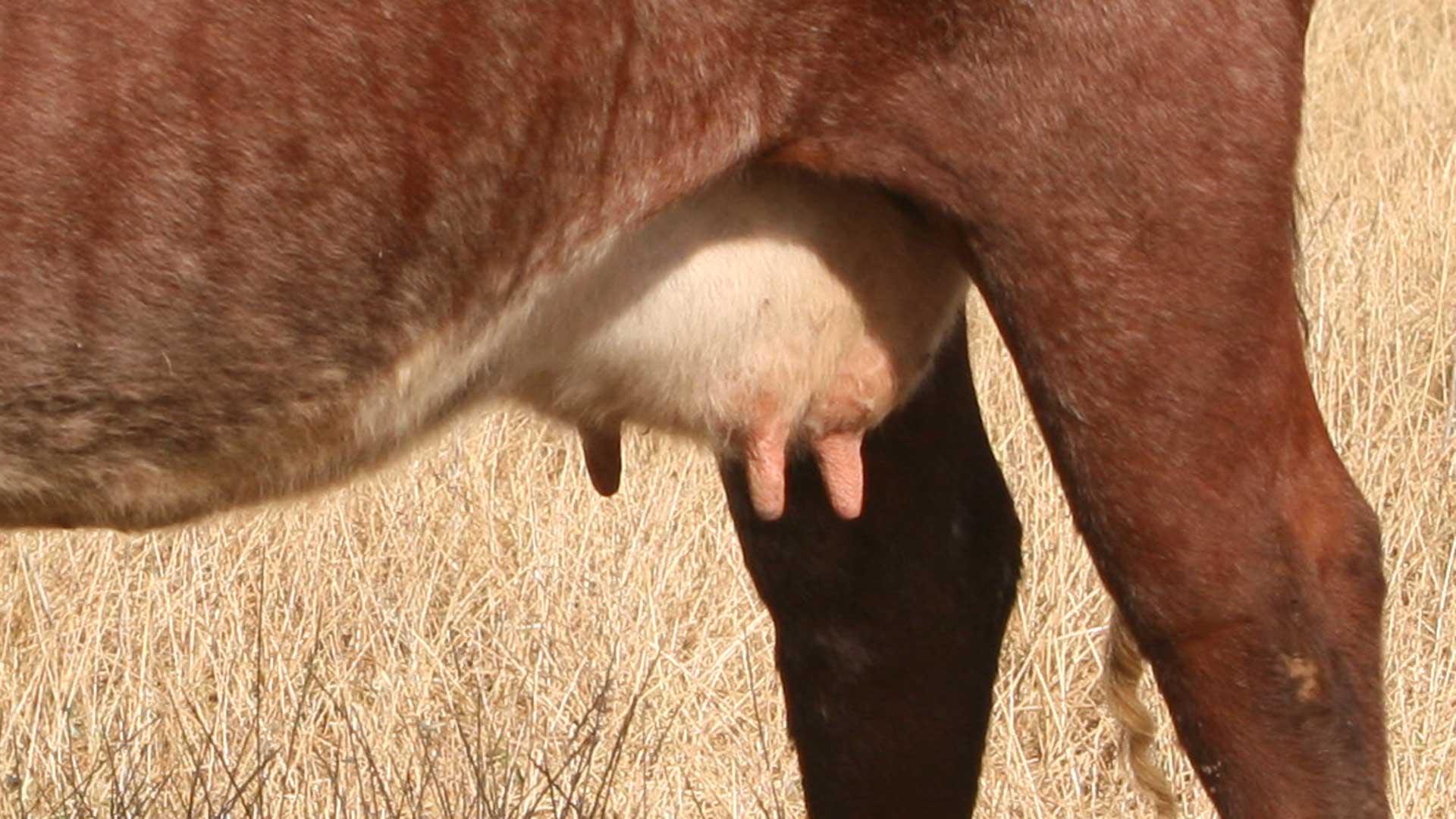
There are genetic antagonisms in beef production where improvement for one trait tends to decrease the level of per- formance for another trait. Milk is one such trait and one of the challenges is finding the optimum level of milk production within a herd. Optimum does not mean maximum.
Higher milking females require a higher feed input for main- tenance both during lactation and when out of production. As milk production increases, more energy, protein, and other nutrients are transferred to the calf. This benefits the calf but also increases the dam’s nutrient requirements. If these in- creased nutritional needs are not met, then the lactating cow or heifer will lose body condition. In turn, reproductive rates will be negatively impacted if a cow’s body condition drops below moderate levels, especially in larger framed females.
Milk does not only effect a cow in lactating production. There is also a direct link between calves born from high milking cows requiring more feed as a maintenance requirement. This has a dire flow on affect of consequence for feedlotters and backgrounders feeding steers from a high milk produc- tion system.
Milk is often referred to as a maternal trait but we believe
it is a growth trait and consider it to be the most inefficient and expensive growth trait. US Department of Agriculture research has shown calves weaned at 150 days gained the same rate over the next 150 days when compared to calves of the same age that were left on their mothers. The differ- ence is that the unweaned calves used 15-20 % more energy to arrive at the same weight. v
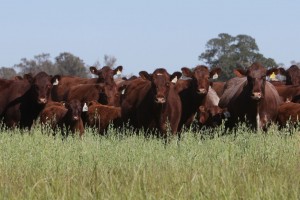


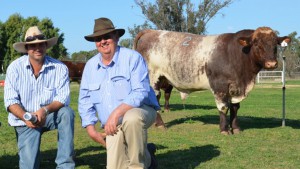
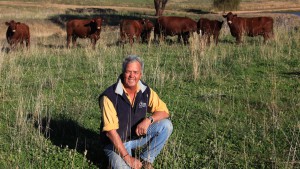
 “Yamburgan cattle are cattle that com- bine performance and docility and are sought after by both lot feeders and grass finishers who consistently comment on the high percentage of the cattle that meet the highest specifications.”